If you're in immediate distress, call or text 9-8-8 for Canada's Suicide Crisis Helpline (Toll-Free, 24/7). Helpwell is for daily reflection, not emergency intervention.
About & Learn

The dream of low-barrier access to long-term recovery methods and experience.

Helpwell is a 90-second daily check-in with a hard privacy boundary. It is not treatment and it does not pretend to be. Below is who builds it, and a short, plain-language summary of what the evidence actually says about recovery — because most of what circulates online does not survive contact with it.

Who builds this

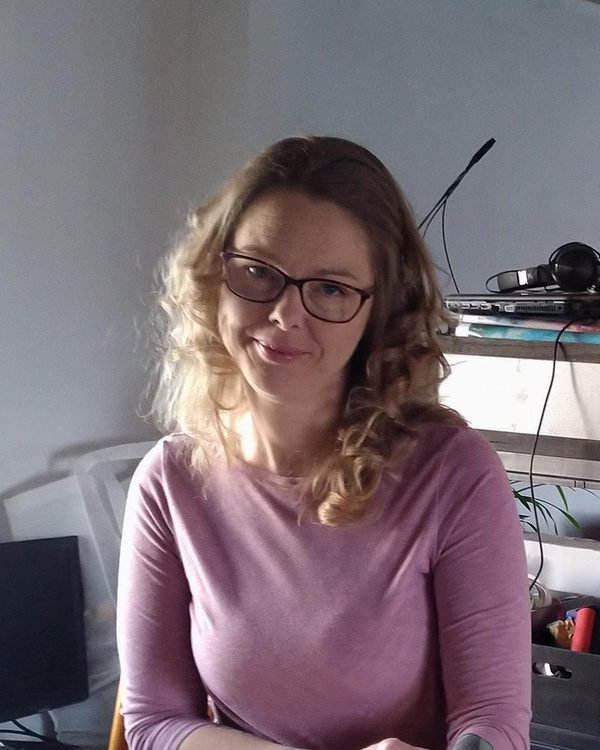
Jennifer Westwood

Jennifer Westwood

Addictions counselling · Peer support

Jennifer holds a degree in addictions counselling from the University of Lethbridge, and has 20 years of sobriety behind her.

She is the one who answers. When somebody writes into Helpwell it is Jennifer who reads it and writes back, during the day, in her own words — as somebody who has been where they are, rather than somebody who has read about it.

She does not do it alone. She has a network of women around her: friends from her studies, one of whom also holds a degree in addictions counselling, people who have been through it and stayed close. Helpwell exists partly because that kind of company is what actually holds people up, and because most people cannot buy it.

Both halves of her matter to what this is. The training is why Helpwell refuses to make clinical claims it cannot support; the lived experience is why it takes seriously how long a year can be, and why it points people toward help instead of trying to be a substitute for it.

Learn

What the evidence actually says about recovery

Short, plain, and checkable. This is general information, not medical advice — your own situation deserves a clinician, not a web page.

Recovery is rarely a straight line

Returning to use after a period without is common, and it is not proof that you failed or that you are not trying. Most people who get well do it after more than one attempt. A system that treats a return to use as disqualifying is a system that discards the people it was supposed to help.

Medication is treatment, not "swapping one drug for another"

For opioid dependence, methadone and buprenorphine are first-line treatments with strong evidence behind them, and they reduce the risk of dying. Being on them is not a failure to do recovery properly — for many people it is the recovery.

Harm reduction saves lives without requiring abstinence first

Naloxone, supervised consumption and sterile supplies reduce overdoses and infections, and they do it without making anyone earn help by stopping first. Staying alive is the precondition for everything else. Programs that withhold help until someone is "ready" are measuring their own comfort, not outcomes.

Some withdrawal can kill you

Alcohol and benzodiazepine withdrawal can be genuinely life-threatening. Stopping either abruptly, without medical support, is dangerous in a way that opioid withdrawal generally is not. This is the single most common thing people get wrong on their own.

Peer support measurably helps

Time with someone who has been through it is linked to better engagement and to people staying in care. It is one of the cheapest things that works, which is also why it gets underfunded and staffed with the lowest-paid people in the building.

The boring things work

Sleep, food, routine, and contact with people who are not using. These move the needle more reliably than motivation does, and they are the first things to go. This is most of why Helpwell asks three questions a day instead of asking you to want it more.

Where to read more, or get help now

  • 988.ca — Suicide Crisis Helpline, call or text 9-8-8, 24/7
  • Health Canada — substance use and harm reduction
  • CAMH — addiction and mental health, evidence-based
  • CIHR — Canadian research funding and findings

Helpwell is not a counselling service. Nothing here is treatment, diagnosis or crisis care, and no part of this page is medical advice.